Swimming Holes in Puerto Rico: Charcos, River Pools & Natural Slides
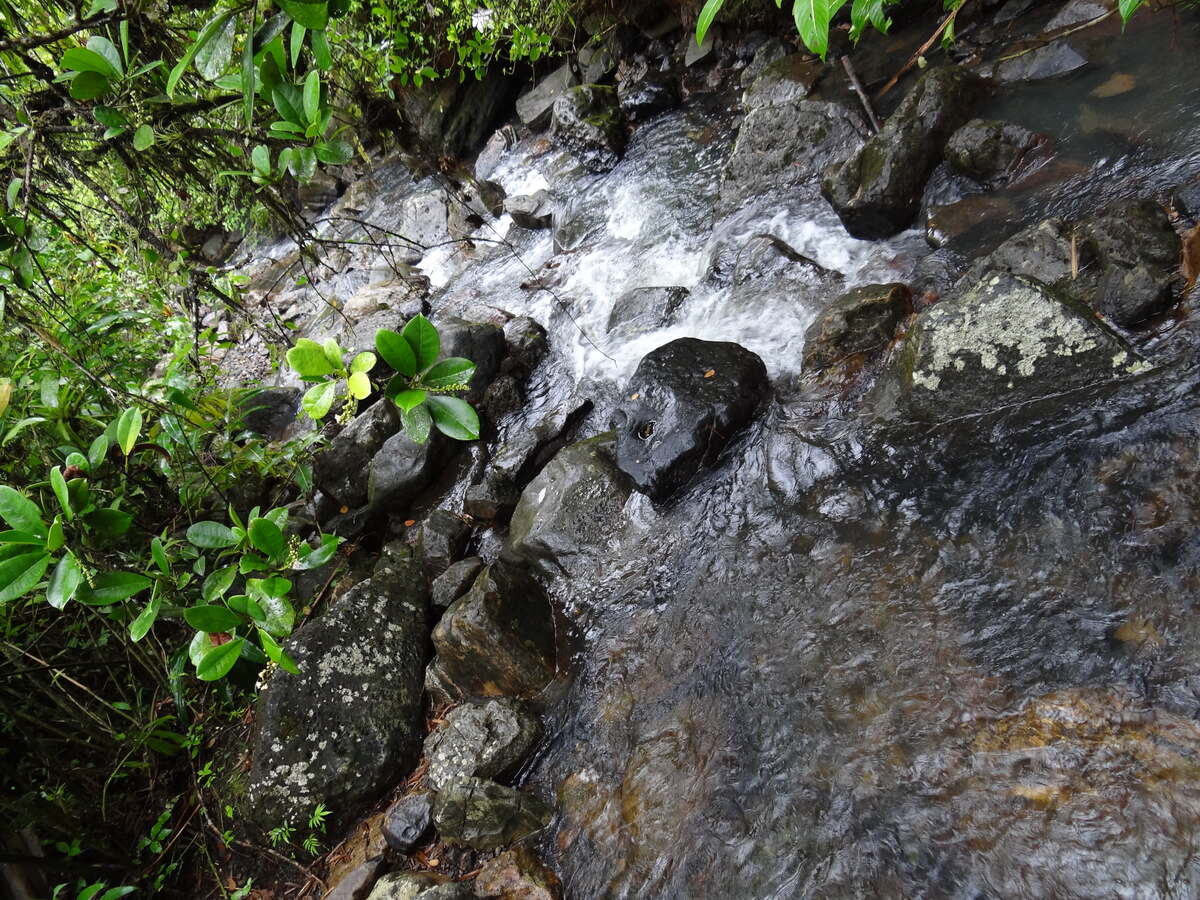
Puerto Rico's mountain interior is laced with streams that pool into clear, cold charcos — natural freshwater swimming holes carved into smooth limestone and volcanic rock. Unlike the island's famous beaches, these pools are freshwater, shaded by rainforest canopy, and often reached by short hikes through terrain that most beach-day visitors never see. The most accessible sit in El Yunque's lower forest, 40 minutes from San Juan. The most celebrated is Gozalandia in San Sebastián, with its rope swing and two-tier pools. The most adventurous involves swimming through cave passages carved by the Tanamá River in Utuado. All of them require more planning than a beach day — and all come with real safety considerations that this guide covers in full.
Explore Puerto Rico's rivers and rainforest on a guided kayak tour
Browse Kayaking Tours →Quick-Reference: Puerto Rico Swimming Holes at a Glance
| Swimming Hole | Region | Access | Best for |
|---|---|---|---|
| La Mina pool | El Yunque, NE | Easy, paved trail (check status) | Families, first-timers |
| Las Paylas rock slides | Luquillo, NE | Short hike | Natural slides, kids |
| Gozalandia | San Sebastián, W | Easy, paid admission | Rope swing, deep pools |
| Salto Collazo | San Sebastián, W | Easy–Moderate | Quieter alternative to Gozalandia |
| Charco Azul | Patillas, SE | Easy | Blue-green freshwater pool |
| Cañón de San Cristóbal | Barranquitas, central | Moderate + guide recommended | Narrow gorge, natural pools |
| Tanamá River | Utuado, central | Adventure tour required | Cave swim adventure |
| Doña Juana pool | Orocovis / Toro Negro | Moderate hike | Mountain waterfall + pool |
El Yunque & Luquillo Area
La Mina Pool
La Mina Falls and its pool in El Yunque National Forest is the most visited natural swimming hole in Puerto Rico. The paved La Mina Trail descends 0.7 miles from the trailhead to the waterfall and the pool at its base — cold, clear, and well-shaded by the forest canopy. The paved surface makes it genuinely accessible to a wide range of fitness levels, though the descent is steep enough that the return climb is noticeable.
Current status note: El Yunque trail conditions have changed periodically due to storm damage. Always check the USFS El Yunque Recreation Area for current trail closures before driving out. The La Mina Trail has been closed and reopened multiple times since Hurricane Maria in 2017. Confirm it is open before planning your visit around it.
See: El Yunque Waterfall Hikes Guide and El Yunque Waterfall Tours for Beginners for guided options.
Las Paylas Natural Rock Slides
Las Paylas are smooth-rock natural slides formed where the Río La Mina widens and drops over a series of flat boulders polished by centuries of water flow. Swimmers ride the current down these natural chutes into pools below. Las Paylas are near Luquillo — close to El Yunque's lower entrance — and are accessible via a short hike on a trail that branches from the main forest route. They are particularly popular with families and local visitors on weekends.
Note that Las Paylas are located downstream of the forest, and rain upstream in El Yunque can quickly raise and roughen the water without warning. Check conditions and avoid Las Paylas in the 24–48 hours after significant rainfall.
Western Puerto Rico: Gozalandia & San Sebastián
Gozalandia
Gozalandia in San Sebastián is Puerto Rico's most famous non-beach swimming destination. The site consists of two waterfalls on the Río Culebrinas — an upper falls with a deep pool and a rope swing, and a lower falls feeding a second pool — set in a jungle gorge lined with bamboo and hanging vines. The privately managed site charges admission; amenities include restrooms and a small snack stand.
The rope swing at the upper pool is the main draw: a long arc out over the pool with a 10–15 foot drop into water deep enough to be safe for jumping from that height. Gozalandia is about 90 minutes from San Juan via PR-22 west; a rental car is required. Weekday mornings offer the experience with a fraction of the weekend crowd — plan to arrive early to get the pools before the late-morning rush.
Salto Collazo Pools
Salto Collazo is a waterfall and pool near San Sebastián that sits in the same general area as Gozalandia and is often paired with it on the same day. It is less developed, quieter, and requires a slightly more navigationally involved approach — the access trail is not as well-marked as Gozalandia's entrance road. For visitors who want a backup swimming spot or a quieter complement to Gozalandia, Salto Collazo is worth the extra navigation.
Central Mountains: Cañón de San Cristóbal & Tanamá
Cañón de San Cristóbal
The Cañón de San Cristóbal near Barranquitas in the central mountains is one of Puerto Rico's most dramatic natural features — a narrow gorge where the Río Usabón has cut through the limestone to create sheer walls, natural pools, and a series of small waterfalls along the canyon floor. The gorge is accessible by hiking in from the rim, or with a guided canyoneering tour that involves rappelling and swimming through the narrowest sections.
The canyon floor pools are cold and clear. A guide is strongly recommended for anyone unfamiliar with the terrain — the gorge is remote, the footing is technical in the narrower sections, and the canyon can flood rapidly after rain. Flash flooding in the Cañón de San Cristóbal is a documented and serious hazard; never enter the gorge during rain or with rain forecast upstream.
Tanamá River Cave Swim
The Tanamá River in Utuado is covered in detail in the Caves in Puerto Rico guide. The relevant point for swimming-hole visitors is that the Tanamá adventure involves significant swimming through cave passages where the only way forward is to let the river carry you through the underground sections. This is the most adventurous freshwater experience in Puerto Rico — genuinely exciting, genuinely wet, and only appropriate with a licensed guide who knows the water levels and the route.
Mountain Interior: Doña Juana & Toro Negro
Doña Juana Falls Pool
The pool at the base of Doña Juana Falls in Toro Negro State Forest is one of the more remote swimming holes accessible to visitors with moderate fitness. The multi-tier cascade feeds a pool large enough to swim in, in a forest setting that feels genuinely remote even though the park is not far from the main island highway network. The water is noticeably colder here than at lowland pools — the central mountain elevation keeps temperatures several degrees below the coast. See the full context at Best Parks in Puerto Rico.
Southeast: Charco Azul & Carite Area
Charco Azul
The Charco Azul area near Patillas in southeastern Puerto Rico refers to freshwater pools fed by streams descending from the Carite State Forest — named for the vivid blue-green color that clear water takes on over pale limestone. The pools and the streams feeding them are set in a wooded landscape quite different from the northwest karst: quieter, less trafficked, and more characteristic of the island's rural southeast. Navigating to the specific pool requires local knowledge; unmarked access roads branch from secondary routes, and navigation apps are often unreliable. Research the specific route before departure and consider connecting with a local guide.
Coastal Swimming Holes: A Warning About Pozo de Jacinto
Safety: The Non-Negotiables
Every natural swimming hole on this list carries risks that a beach with lifeguards does not. These are not dramatic risks that ruin the experience — millions of people swim safely in Puerto Rico's charcos every year — but they are real and require awareness.
Flash Floods
Flash floods are the most serious hazard at Puerto Rico swimming holes. Rain falling miles upstream — on El Yunque's summit, in the central mountain watershed, or in a valley you cannot see — can cause river levels to rise by several feet in under 15 minutes. The water turns brown and fast. If you are in a narrow gorge or canyon when a flash flood arrives, the outcome can be fatal.
- Never enter a river gorge or canyon during rain
- Never swim at any waterfall pool within 24–48 hours of significant upstream rainfall
- If water begins rising or turning brown suddenly while you are swimming, exit the water immediately and move to high ground
- Check mountain weather forecasts — not just the coastal forecast — before visiting any inland swimming hole
Leptospirosis
Leptospirosis is a bacterial disease transmitted when water contaminated with infected animal urine enters the body through mucous membranes, eyes, or broken skin. It is endemic in Puerto Rico's freshwater systems and the risk rises after heavy rain. Symptoms develop 2–30 days after exposure: fever, headache, severe muscle aches, and in serious cases, kidney or liver damage.
- Avoid all freshwater swimming for 48 hours after heavy rain
- Cover any open cuts or wounds before entering freshwater
- Do not swallow the water — accidental ingestion raises risk significantly
- If you develop flu symptoms after freshwater swimming, tell the treating doctor about freshwater exposure — leptospirosis responds to antibiotics if caught early
No Lifeguards
None of Puerto Rico's natural swimming holes have lifeguards. Never swim alone at a remote swimming hole. Tell someone your itinerary before heading to any backcountry charco. Non-swimmers should not enter deep pools; most natural pools have no gradual entry — the depth can be immediate from the bank.
Respect Private Land
Many of Puerto Rico's most popular charcos are on private land or accessed across private property. Gozalandia is privately managed with paid entry; some other sites rely on informal access that landowners may restrict. Leave no trace: carry out all trash, do not damage vegetation, and treat access areas as you would want your own property treated. Disrespect has historically led landowners to close access permanently.
What to Bring
- Water shoes or trail shoes with grip — river rocks are slippery and the approach trails are often wet
- A dry bag for your phone, wallet, and a change of clothes
- Water — at least 2 liters per person; forest humidity masks dehydration
- Insect repellent — mosquitoes and no-see-ums are active in shaded forest pools
- Cash — Gozalandia and some other managed sites charge admission and may not take cards
- Offline maps — cell signal is unreliable in the central mountains and some areas of El Yunque
- Sun protection — for open sections and the drive; it is easy to burn while hiking in dappled shade
Frequently Asked Questions
What is the best swimming hole in Puerto Rico?
Gozalandia in San Sebastián offers the most complete experience: deep pools, rope swing, two-tier waterfall, and a managed site with amenities. La Mina pool in El Yunque is the most accessible from San Juan. For adventure, the Tanamá River cave swim is unmatched.
Are there swimming holes near San Juan?
La Mina pool (El Yunque, ~40 minutes) and Las Paylas rock slides (Luquillo, ~45 minutes) are the best options for a swimming-hole day trip from San Juan. Both are in the northeast corner of the island.
What does "charco" mean in Puerto Rico?
Charco is Puerto Rican Spanish for a natural freshwater pool — typically a pool formed where a stream widens over smooth rock, often at the base of a small waterfall. Puerto Rico has dozens of named charcos across the mountain interior, ranging from well-known (Gozalandia, Charco Azul) to locally known spots accessible only with local knowledge.
Can I visit swimming holes without a car?
El Yunque waterfalls and La Mina pool can be reached on guided tours from San Juan that include transportation — the easiest car-free option. See El Yunque tours. Most other swimming holes require a rental car; public transit does not serve them.
Is Gozalandia good for families with kids?
Yes, for children who are confident swimmers. The pools are deep and there is no gradual entry, so young children who are not strong swimmers need to be closely supervised. The rope swing requires comfort with heights and jumping into deep water. The managed, paid-entry format means the site is maintained and has facilities (restrooms, snack stand). See the full guide at Gozalandia: Puerto Rico's Secret Waterfall Playground.
Book a kayak or river adventure tour in Puerto Rico
Browse Kayaking Tours →