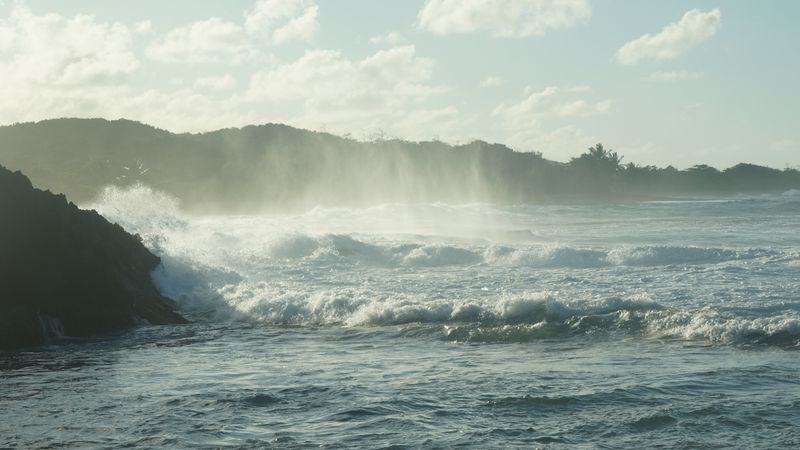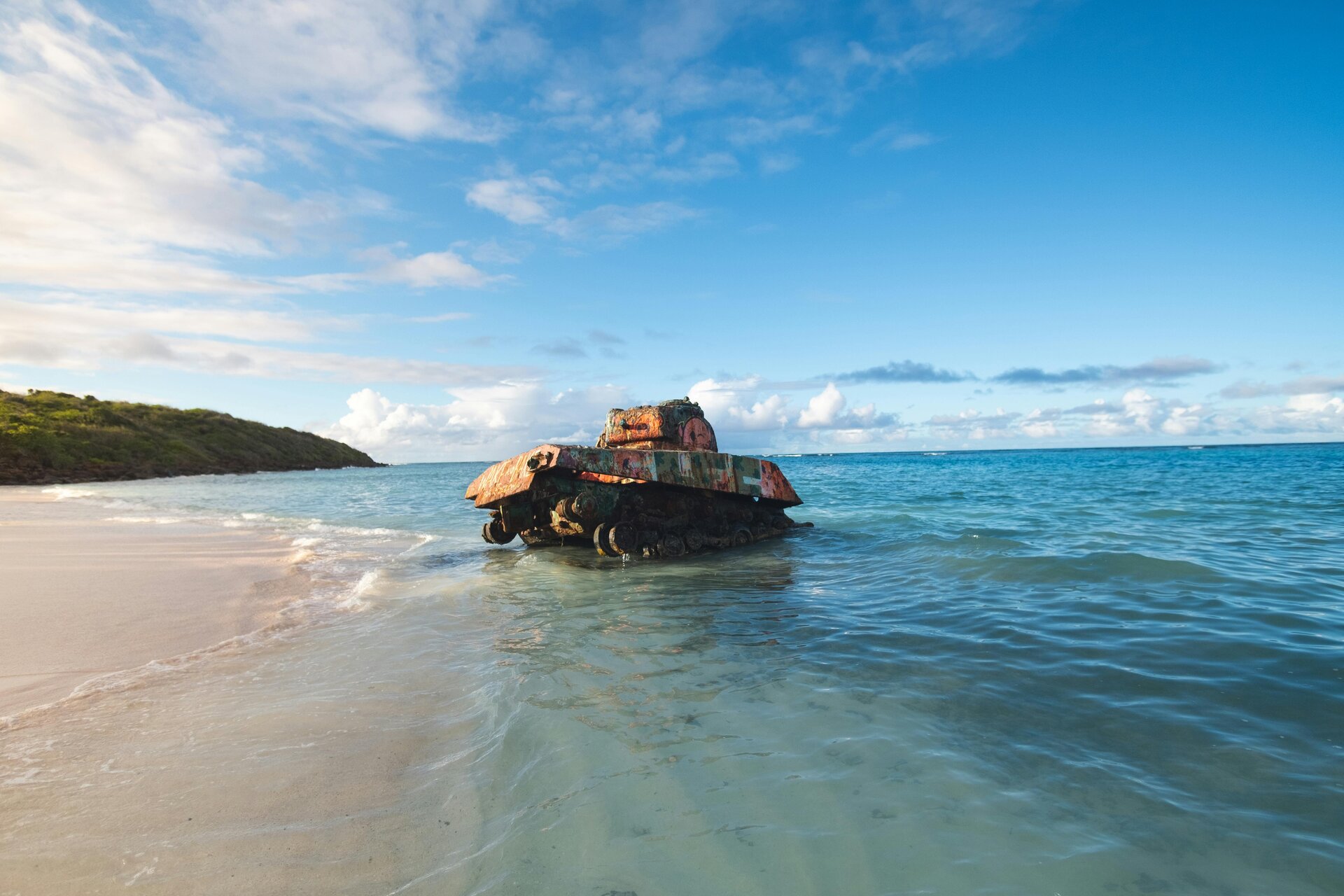
Rincón sits at the northwest corner of Puerto Rico where the Atlantic Ocean meets the Caribbean Sea, creating one of the most consistent surf environments in the US. Every winter, powerful groundswells generated by North Atlantic storms roll in from the open ocean, producing rideable waves across a string of west-facing beaches. That makes Rincón one of the few places in the Caribbean where beginners can reliably book a surf lesson, spend two hours in real ocean waves, and walk away having actually stood up on a board. Tours you can book here →
Why Rincón Is Puerto Rico's Surf Capital
Puerto Rico hosted the 1968 World Surfing Championship at Rincón, putting this small coastal town on the global surf map. The coastline benefits from a natural geographic funnel: swells that travel south across the Atlantic hit the shallow shelf around the northwest tip of the island and stand up into clean, defined waves. Unlike beach breaks in San Juan, which can be choppy or flat depending on the day, Rincón's west coast has multiple distinct breaks ranging from gentle sand-bottom rollers to powerful reef breaks for advanced riders.
The town has built an entire culture around surfing over the past five decades. Surf schools, board rental shops, and instructors who have spent their lives in these waters operate at every major beach. That depth of local knowledge makes a big difference for beginners — you get instructors who know exactly which stretch of sand is forgiving on a given swell direction and tide.
Book it: tours near Rincon
Surfari (Royal Isabela)
Company: Royal Isabela · Location: Isabela · From: $250.88
Check Availability →Private Group Lessons (Duke's Surf School & Eco Adventures)
Company: Duke's Surf School & Eco Adventures · Location: Rincón · From: $120
Check Availability →Beginner Breaks (Royal Isabela)
Company: Royal Isabela · Location: Isabela · From: $641.13
Check Availability →Best Beginner Beaches in Rincón
Sandy Beach is the go-to spot for most beginner lessons. It has a sandy bottom (important — no reef cuts), a gradual slope, and waves that consistently break at a manageable size during winter swell season. The beach is wide enough that multiple schools can operate simultaneously without crowding, and there are parking, bathrooms, and food vendors nearby.
Dogman's Beach (also called Dogman's) sits about a mile north of Sandy Beach and offers slightly more powerful, consistent waves as students progress past the absolute basics. Many schools use Sandy Beach for the first session and Dogman's once students can paddle and pop up reliably.
Steps Beach is calmer and better known for its snorkeling than its surf, but on small-swell days it can work for introductory paddling. Pools Beach, at the very tip of the point near the lighthouse, is generally too rocky for beginners but worth a visit for the view.
Looking for more water adventures on Puerto Rico's west coast?
See Sailing Tours →What Happens During a Surf Lesson
A typical beginner session runs two to three hours total. The first 45–60 minutes take place on the sand: instructors walk you through how to position yourself on the board (feet shoulder-width apart, weight centered), how to paddle efficiently, and the "pop-up" — the quick push from prone to standing that defines surfing. You'll practice the pop-up on the beach a dozen times before touching the water.
The in-water portion lasts 60–90 minutes. Instructors push students into waves and provide real-time corrections. Most schools use soft-top foam boards — wider, more buoyant, and far more forgiving than fiberglass boards. Expect to fall repeatedly. The goal of a first lesson is to stand up at least once and understand the mechanics; most students accomplish that within the session.
Group lessons typically keep ratios at one instructor per four to eight students. Private lessons cost more but get you far more coaching time and progress faster. Minimum age for group lessons is generally 8 years old, and there is no upper age limit — people in their 60s and 70s take lessons successfully.
Surf Season and Water Conditions
Rincón's peak surf season runs November through April, driven by North Atlantic winter swells. February and March often bring the most powerful, consistent waves of the year. Water temperature hovers around 78–80°F in winter — comfortable in board shorts or a thin rash guard, no wetsuit needed.
May through October brings smaller, more erratic swells generated by summer trade winds or occasional Caribbean tropical systems. Waves still exist, but they are less predictable and generally smaller. The upside: fewer tourists mean shorter lines for equipment rentals and more beach space. January and February also overlap with humpback whale season — boats leaving Rincón for surf trips sometimes encounter breaching whales in the Mona Passage, one of the few places on earth where you can surf and whale-watch on the same day.
What to Pack for a Surf Lesson
Wear a swimsuit or board shorts that stay on when you wipe out (drawstring trunks, not loose ones). A rash guard or UV-protective shirt prevents the board wax from abrading your chest and stomach during practice pop-ups on sand — after the third or fourth wipe-out, bare skin on waxed foam becomes painful. Bring water-resistant sunscreen rated SPF 50 or higher; the tropical sun at water level is intense. Water shoes are optional but useful for rocky entrances at some beaches. Most schools provide the board and any extra equipment.
Prefer exploring Puerto Rico's waters without the wipeouts?
See Snorkeling Tours →Getting to Rincón from San Juan
Rincón is approximately 100 miles from San Juan, roughly a 90-minute drive via PR-22 west (a toll expressway) to Mayagüez, then north on PR-2. A rental car is the most practical option; there is no direct public bus from San Juan to Rincón. Most surf visitors spend at least two nights in the area — one lesson leaves you wanting to try again, and the drive makes a same-day turnaround exhausting. Accommodation ranges from budget guesthouses to boutique hotels with ocean views.
Beyond Surf: What Else to Do in Rincón
Rincón's El Faro park at the lighthouse point offers sunset views that rival anywhere in the Caribbean — arrive 30 minutes before sunset for the best light. The town has a dense strip of restaurants and bars catering to the surf crowd, from roadside fried-chicken stands to upscale farm-to-table spots. Whale watching boat trips (January–March) depart from Rincón to observe humpbacks in the Mona Passage. Steps Beach offers accessible snorkeling from shore with parrotfish and angelfish visible in 10–15 feet of water.
Exploring Puerto Rico's east coast? Fajardo is the hub for water tours.
See Fajardo Water Tours →