Puerto Rico offers some of the finest snorkeling in the United States Caribbean, with a combination of factors that few destinations can match: warm water year-round (78–84°F), proximity of healthy coral reefs to the shore, an offshore island chain (Culebra and Vieques) with protected waters and extraordinary clarity, and the convenience of not needing a passport or exchanging currency. Whether you prefer wading in from a beach or joining a boat tour to reach offshore reefs, Puerto Rico has excellent options at every level. Tours you can book here →
Best Snorkeling Sites in Puerto Rico
Culebra Island is widely considered the top snorkeling destination in Puerto Rico. The island sits within a protected marine reserve, and the surrounding waters — especially Luis Peña Channel on the west side — are managed specifically for reef conservation. Visibility regularly reaches 40–60 feet. You'll find healthy brain coral, elkhorn and staghorn formations (recovering under protection), and a resident community of green and hawksbill sea turtles that have become habituated to careful snorkelers. Flamenco Beach's calm bay has accessible snorkeling from shore; Tamarindo Beach on the south side is shallower and better for beginners; Zoni Beach on the northeast is excellent but requires more of a hike.
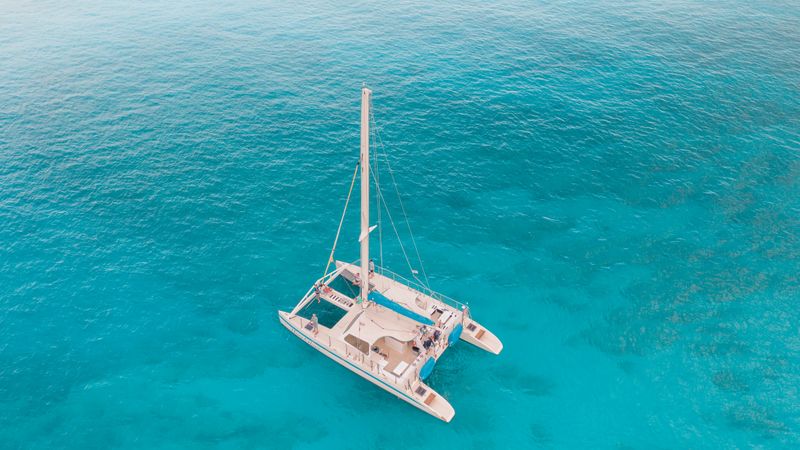
Cayo Icacos, an uninhabited island seven miles offshore from Fajardo, is the most common catamaran and boat tour destination on the northeast coast. The reefs around Icacos hold abundant parrotfish, sergeant majors, French angelfish, and occasional spotted eagle rays. Visibility is typically 30–40 feet. Access is by boat only — most day trips from Fajardo include Icacos as the primary snorkeling stop.
La Parguera Wall in southwest Puerto Rico is the most dramatic reef structure in Puerto Rico — a sheer coral wall that drops from 15 feet to over 60 feet in the space of a few meters. More suitable for experienced swimmers and snorkelers comfortable with depth, it's accessible by boat from La Parguera village. The wall hosts large grouper, moray eels, and Caribbean reef fish in high density.
Crash Boat Beach near Aguadilla on the northwest coast is Puerto Rican locals' favorite easily accessible snorkeling spot. The broken concrete structure from the former USAF base pier has been colonized by corals and serves as an artificial reef teeming with fish. Parking, bathrooms, and food vendors are on site. Accessible from shore with no boat needed.
Guided snorkeling tours from Culebra put you in the most protected and biodiverse waters in Puerto Rico.
See Culebra Snorkeling Tours →Book it: tours for this trip
Full Day Snorkeling and Boat Experience (Pirate Snorkeling Shack)
Company: Pirate Snorkeling Shack · Location: Fajardo · From: $1,050
Check Availability →Mini Boat Snorkel Adventure (Kayaking Puerto Rico)
Company: Kayaking Puerto Rico · Location: Fajardo
Check Availability →Sunset + Swim the Bioluminescent Bay Tour (Hook'd on Adventure Parguera)
Company: Hook'd on Adventure Parguera · Location: Lajas · From: $70
Check Availability →What You'll See Underwater
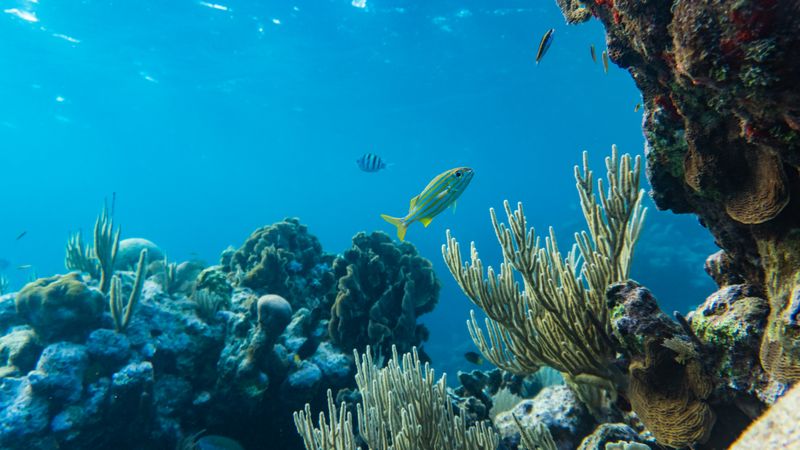
Puerto Rico's reefs are home to over 200 species of fish. Parrotfish are the most conspicuous — the stoplight parrotfish cycles through juvenile (brown/red) and terminal phase (vivid blue-green) coloring. They bite coral with their beaked teeth and excrete fine white sand — much of Caribbean beach sand is literally parrotfish excrement. Queen angelfish and French angelfish are among the most photographed reef fish, distinctive for their bright yellow-and-blue markings. Spotted eagle rays glide through open water over reefs, sometimes in groups of three or four.
Sea turtles are reliable sightings at Culebra and Cayo Icacos. They are often remarkably relaxed around careful snorkelers — maintain a distance of at least 10 feet and avoid touching. Nurse sharks rest motionless under coral ledges in 10–20 feet of water. They are completely harmless to snorkelers but visually dramatic. Blue tang (same fish as Dory from Finding Nemo) school in large formations above coral heads, grazing on algae. The porcupinefish inflates to twice its size when threatened — another common and memorable encounter.
Snorkeling vs. Scuba Diving
The best reefs in Puerto Rico are accessible to snorkelers — you don't need to dive to 60 feet to see the richest marine life. Most of what lives on Caribbean reefs concentrates in the top 20 feet of water where light is available for coral growth. The main advantage of scuba is access to the La Parguera Wall and deeper pinnacle structures, but the difference in marine density between 15-foot snorkeling depth and 40-foot scuba depth is not dramatic on Puerto Rico's reefs.
Snorkeling Equipment: What You Need
A good-fitting mask is the single most important piece of equipment — a mask that leaks makes snorkeling miserable. Test fit before you buy or rent: press it against your face without the strap and inhale through your nose; it should stay in place with no hands. Fins dramatically increase propulsion efficiency and reduce fatigue, especially when fighting currents. A snorkel vest is highly recommended for non-swimmers or weak swimmers — it provides effortless flotation so you can focus on watching the reef rather than staying up. Most guided tours provide all equipment; rental shops near major beaches charge $10–15/day.
Sunscreen note: several sites (Culebra's Luis Peña Channel, Cayo Icacos) are protected marine areas where only reef-safe sunscreen (mineral-based, no oxybenzone or octinoxate) is permitted. Chemical sunscreens bleach coral. Bring reef-safe sunscreen or wear a full rash guard instead.
Puerto Rico's best snorkeling is accessible on guided tours from Fajardo and the northeast coast.
See Snorkeling Tours →Best Time and Practical Tips
Morning is always better than afternoon for snorkeling visibility. Trade winds strengthen through the day on Puerto Rico's northeast and east coasts, increasing wave chop and reducing visibility. A 9 AM departure sees mirror-flat conditions; a 2 PM departure may see 2-foot chop. December through April (dry season) offers consistently calm conditions and excellent visibility throughout the day. After heavy rainfall, rivers carry sediment runoff that temporarily reduces nearshore visibility — wait 24 hours after significant rain before expecting top conditions.
Fajardo is the gateway to Puerto Rico's best reef snorkeling — catamaran day trips, kayak tours, and water taxis to Culebra.
See Fajardo Water Tours →