Old San Juan: El Morro, Blue Cobblestones & 500 Years of History
Old San Juan occupies a small islet connected to the Puerto Rican mainland by three bridges, and within its roughly seven square blocks sits the most intact Spanish colonial urban center in the Americas. The walls are original. The forts still look out to sea. And the streets run blue, paved with cobblestones unlike any others in the world.
The Adoquines: Ships' Ballast Underfoot
The cobblestones of Old San Juan — called adoquines — have an unlikely origin. They are slag from iron smelting furnaces, brought across the Atlantic as ballast in the holds of Spanish ships. When vessels arrived in the New World, they offloaded the heavy slag blocks to take on cargo. Over centuries, the blocks were put to use as street paving, and their iron slag composition gives them their distinctive blue-gray color, which deepens to near-indigo in rain. Today they cover more than 400 streets in the old city, and their uneven, slightly slippery surface is as much a part of the Old San Juan experience as anything else.
Castillo San Felipe del Morro
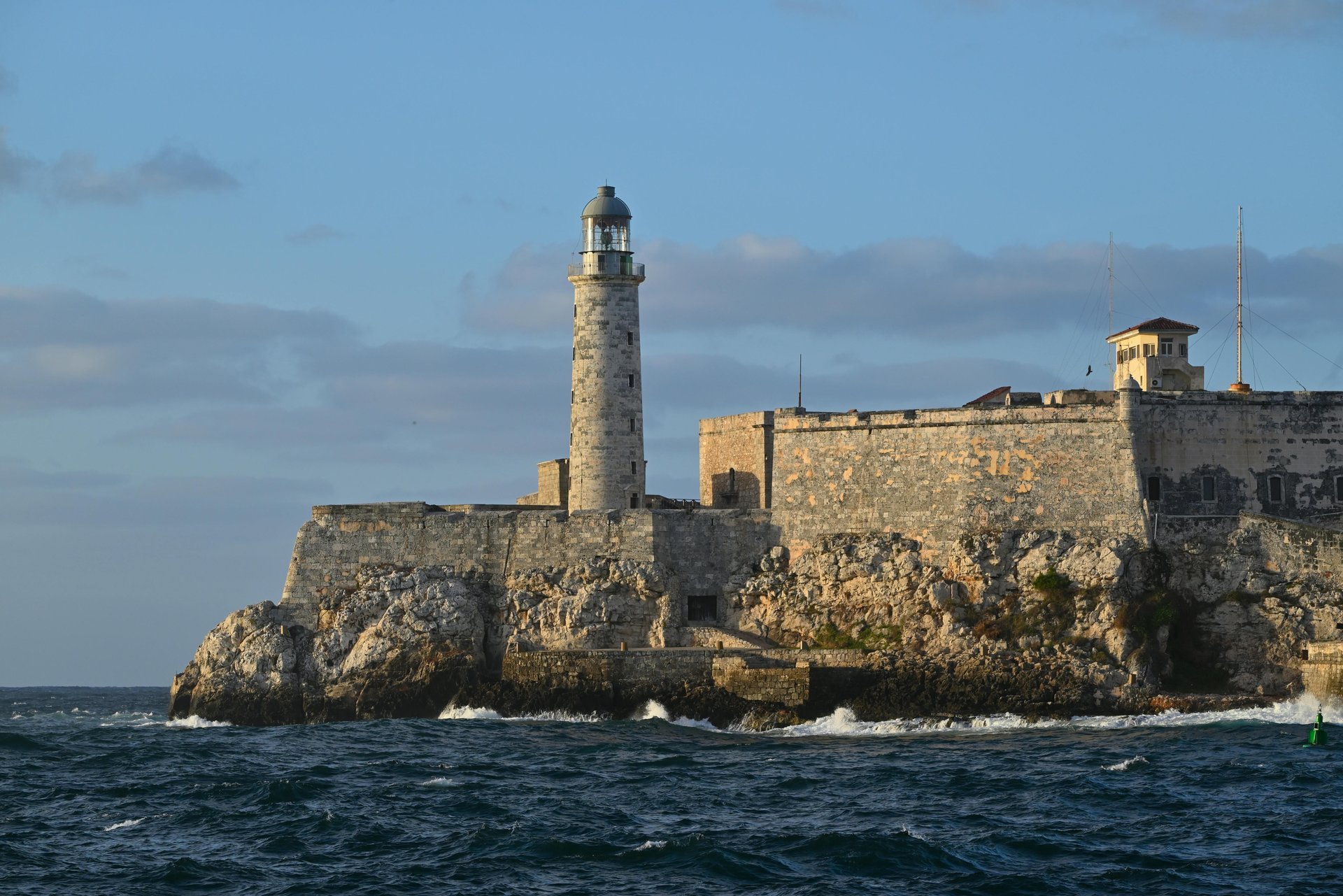
El Morro, as everyone calls it, sits at the northwestern tip of the islet on a promontory above the Atlantic. Construction began in 1539, making it one of the oldest fortifications built by Europeans in the Americas. The fort is six stories tall — measured from sea level to its highest battlements — and its walls in places reach nearly 20 feet thick. It successfully repelled attacks by Sir Francis Drake in 1595 and the Earl of Cumberland in 1598 before eventually falling briefly to Dutch forces in 1625. The Spanish retook it within months and continued expanding the fortifications for another two centuries.
The fort is now managed by the US National Park Service as part of San Juan National Historic Site. The esplanade in front of it — a broad lawn of cut grass overlooking the Atlantic — is one of the great public spaces in the Caribbean, perpetually occupied by kite-flyers, joggers, and people simply sitting in the sea wind.
Castillo San Cristóbal
Less photographed but equally impressive, Castillo San Cristóbal guards the eastern land approach to Old San Juan. Completed in the 1770s after more than a century of construction, it was the largest fort ever built by Spain in the Americas — covering roughly 27 acres at its fullest extent. It successfully repelled a British attack in 1797. San Cristóbal sits connected to El Morro by the original city walls, which you can walk along for much of their length.
The City Walls and the Streets Between
The walls of Old San Juan were built to connect the forts into a continuous defensive perimeter. Much of the original wall survives, running along the northern and western faces of the islet above the Atlantic. La Fortaleza, the Governor's Mansion, is the oldest executive residence still in use in the Western Hemisphere, predating both the US White House and the Canadian Rideau Hall.
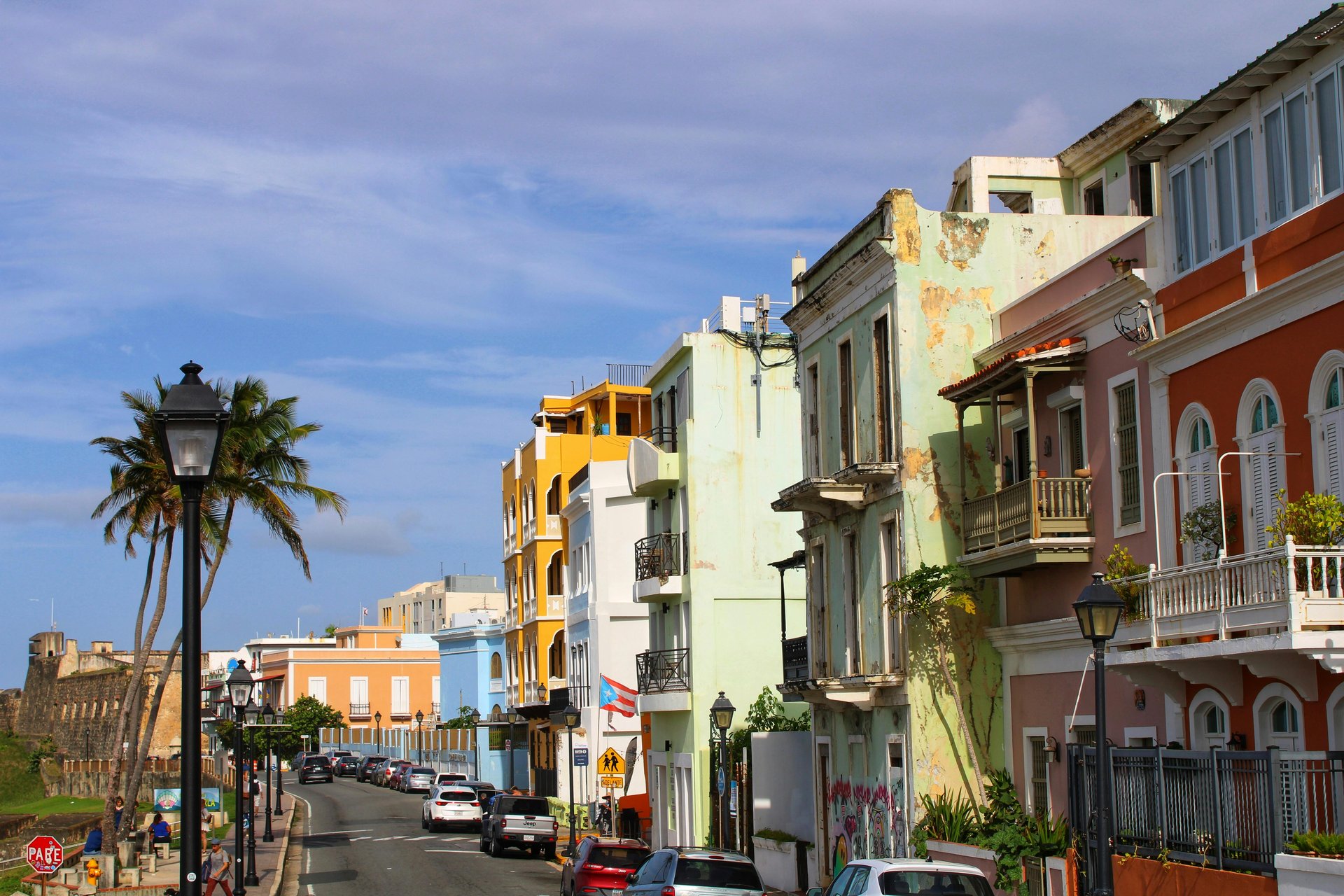
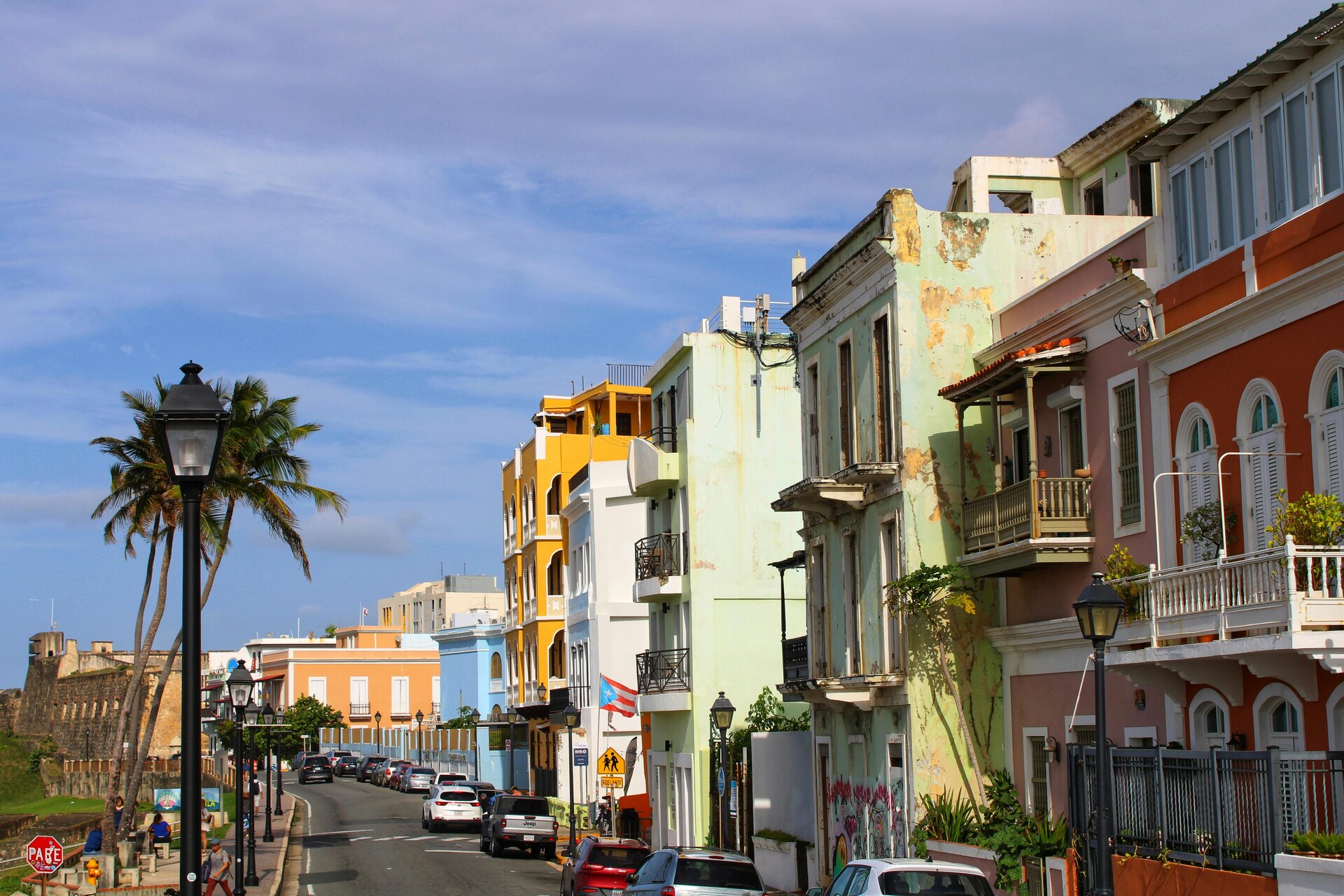
Between the forts, the streets run through a dense grid of buildings painted in shades of terracotta, yellow, ocher, and rose — colors that the original Spanish settlers were required by regulation to distinguish their properties from one another. The whole historic district, along with its forts, was designated a UNESCO World Heritage Site in 1983 under the name La Fortaleza and San Juan National Historic Site.
Frequently Asked Questions
Why are the cobblestones in Old San Juan blue? The cobblestones (adoquines) are iron slag brought as ship ballast from Spain. Their blue-gray color comes from the iron slag composition.
Are El Morro and Castillo San Cristóbal UNESCO World Heritage Sites? Yes. La Fortaleza and San Juan National Historic Site, which includes both forts, was designated a UNESCO World Heritage Site in 1983.
Related Reading
Book a guided walking tour of Old San Juan
See Old San Juan Tours →