Is Puerto Rico Safe? Honest Travel Safety Guide (2026)
Short answer: yes. Puerto Rico is a U.S. territory with U.S. law enforcement, 911 emergency services, and U.S. hospitals. Tourist areas are safe with the same awareness you'd use in any American city. No travel advisory, no passport needed, and millions of tourists visit every year without incident. Here's the honest, area-by-area breakdown.
Safety by Area
Old San Juan
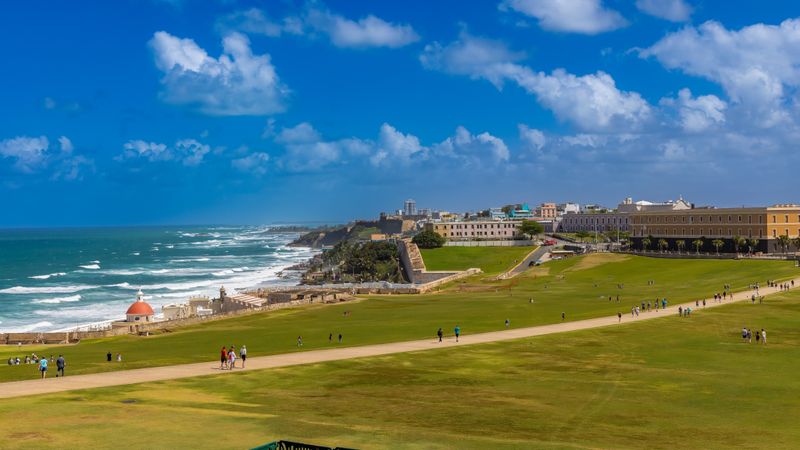
Very safe. The most popular tourist area on the island — heavily patrolled, well-lit, walkable day and night. The cobblestone streets, forts, restaurants, and shops are all in a compact, easy-to-navigate grid. Petty crime (pickpocketing) is rare but possible in crowded areas, same as any tourist district worldwide.
Condado & Isla Verde
Safe. These are the main hotel and beach zones — resort-lined streets with restaurants, bars, and beach access. Well-lit at night with regular foot traffic. Standard awareness: don't leave belongings unattended on the beach, lock your hotel room, use the safe.
Santurce
Safe in the main areas. Santurce is San Juan's art and nightlife district — La Placita, Calle Loíza, and the gallery strip are lively and populated. Some side streets away from the main corridors are less polished. Stick to the areas where locals are gathered and you're fine.
Fajardo & El Yunque
Safe. Fajardo is the launch point for bio bay tours, Culebra/Vieques ferries, and catamaran trips. El Yunque is a U.S. National Forest with rangers and well-maintained trails. Standard outdoor precautions: don't leave valuables in your car at trailheads, and tell someone your hiking plan.
Rincón
Very safe. Small surf town on the west coast with a tight-knit community. Low crime, friendly locals, walkable beach areas. One of the safest feeling places on the island.
Culebra & Vieques
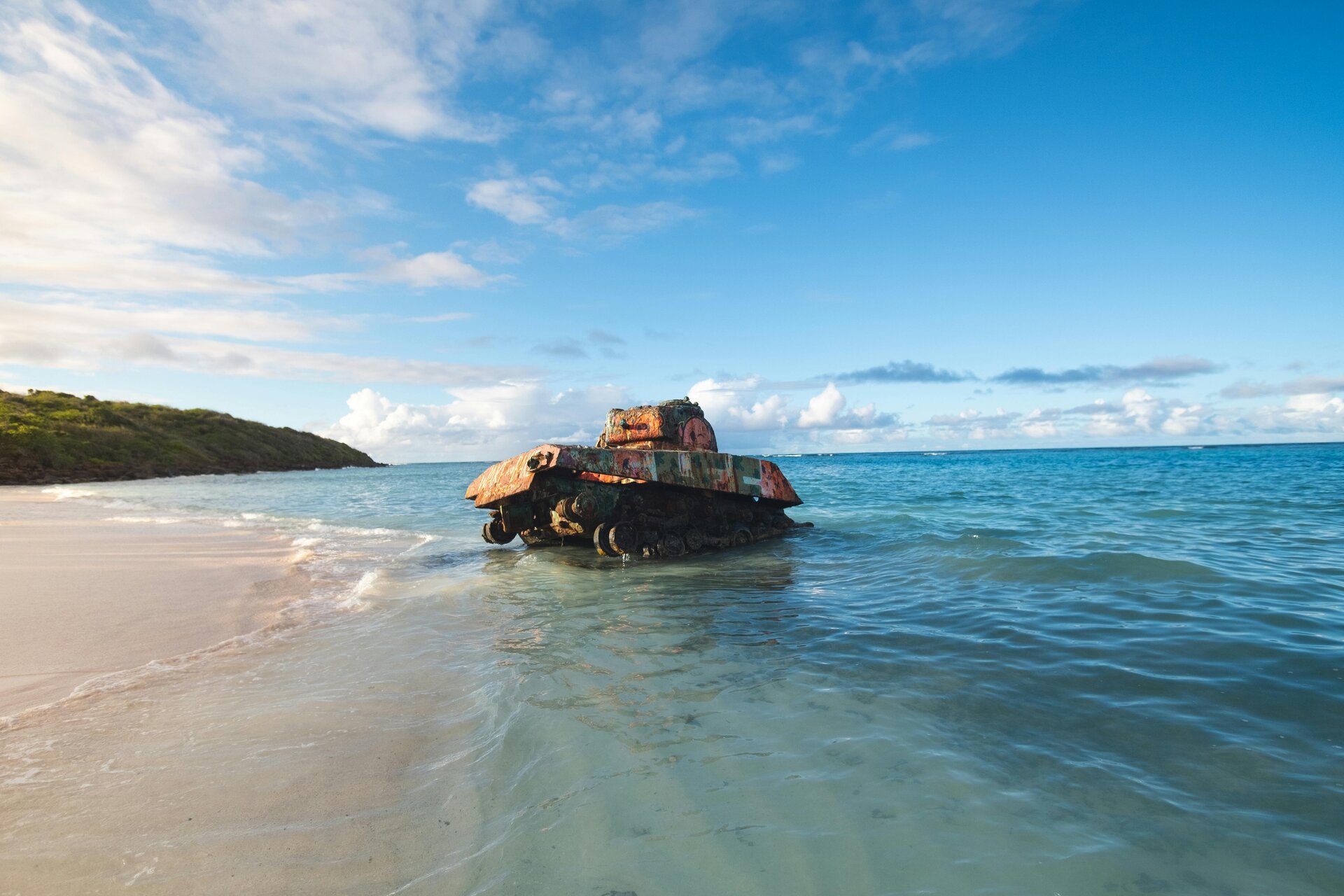
Very safe. Small islands with minimal crime. Everyone knows everyone. The main concerns are sunburn and jellyfish, not personal safety. Lock your rental car (golf carts in Culebra) and keep valuables hidden — opportunistic theft from unlocked cars happens occasionally.
Ponce & the South Coast
Safe in tourist areas. Ponce's historic plaza and museum district are well-maintained and patrolled. The south coast beaches (Cabo Rojo, La Parguera) are rural and quiet. Less tourist infrastructure but also less crime.
Common Concerns — Answered Honestly
Is it safe to walk around at night?
In tourist areas (Old San Juan, Condado, La Placita) — yes. These areas are populated and well-lit at night. Use rideshare apps (Uber works throughout San Juan) for longer distances rather than walking through unfamiliar neighborhoods late at night.
Is it safe for solo female travelers?
Yes, with standard precautions. Puerto Rico is comparable to visiting any mid-size U.S. city alone. Stick to populated areas at night, use Uber rather than walking alone, and stay in established tourist zones. Catcalling can happen (as it does across Latin America and parts of the U.S.) but violent incidents against tourists are rare.
Is it safe for families with kids?
Absolutely. Puerto Rico is one of the most family-friendly Caribbean destinations. U.S. healthcare, familiar food options, car seats available at rental agencies, and activities that work for all ages. Many Puerto Ricans travel with extended families — it's a family-oriented culture.
Is it safe to drive?
Yes. Roads are U.S.-standard (drive on the right, signs in Spanish and English, GPS works everywhere). Some mountain roads are narrow and winding — take them slowly. Aggressive driving in metro San Juan is common but manageable. The biggest driving risk is other drivers, not crime. Don't leave valuables visible in parked cars.
Is the tap water safe?
Yes. Puerto Rico's water supply meets U.S. EPA standards. Tap water is safe to drink throughout the island, including in hotels and restaurants. This is a significant advantage over most Caribbean destinations.
What about hurricanes?
Hurricane season runs June through November, with the highest risk in August–October. Puerto Rico has modern building codes and U.S. weather monitoring (NOAA). Hotels are built to withstand storms, and you'll get advance warning. Travel insurance is smart during hurricane season. Outside those months, weather is not a safety concern.
Healthcare & Emergencies
This is one of Puerto Rico's biggest safety advantages over other Caribbean destinations:
- 911 works: Same emergency system as the mainland U.S.
- U.S. hospitals: Multiple hospitals and urgent care centers across the island, including trauma centers in San Juan.
- Insurance: U.S. health insurance is accepted. No need for travel medical insurance (though it's smart for trip cancellation).
- Pharmacies: Walgreens and CVS are on the island. Prescriptions transfer from the mainland.
Practical Safety Tips
- Don't leave valuables in your car — especially at beaches and trailheads. This is the #1 tourist crime on the island.
- Use hotel safes for passports, extra cash, and electronics you're not carrying.
- Reef-safe sunscreen is required by law — and protects you from serious burns. The tropical sun is stronger than you expect.
- Rip currents are the real danger at beaches. Swim at beaches with lifeguards, and ask locals about conditions.
- Uber works in San Juan — use it for nighttime transportation rather than walking unfamiliar routes.
- Stay hydrated — the heat and humidity catch mainland visitors off guard, especially during active days.
Ready to explore? Start with the bucket-list experience
Book a Bio Bay Night Kayaking TourThe Bottom Line
Puerto Rico is as safe as most U.S. cities — and safer than many Caribbean alternatives. It's a U.S. territory with U.S. law enforcement, U.S. hospitals, 911, safe drinking water, and no travel advisory. The tourist areas are well-patrolled and welcoming. Use the same common sense you'd use in Miami, San Diego, or New Orleans, and you'll have a great trip.
FAQ
Is Puerto Rico safe for tourists?
Yes. Tourist areas are safe with normal precautions. It's a U.S. territory with 911, U.S. hospitals, and no travel advisory.
Is it safe for solo female travelers?
Yes, comparable to visiting any mid-size U.S. city. Use rideshare at night and stay in tourist zones.
What areas should I avoid?
Stick to tourist areas — Old San Juan, Condado, Isla Verde, Rincón, Fajardo, Culebra, Vieques. Tourists rarely have reason to visit higher-crime residential neighborhoods.
Is it safe to drive?
Yes. U.S.-standard roads, GPS works, signs in English and Spanish. Don't leave valuables in your car.
Does Puerto Rico have a travel advisory?
No. As a U.S. territory, it has no State Department advisory — unlike many Caribbean destinations.