The Wild Horses of Vieques: Free-Roaming & Iconic
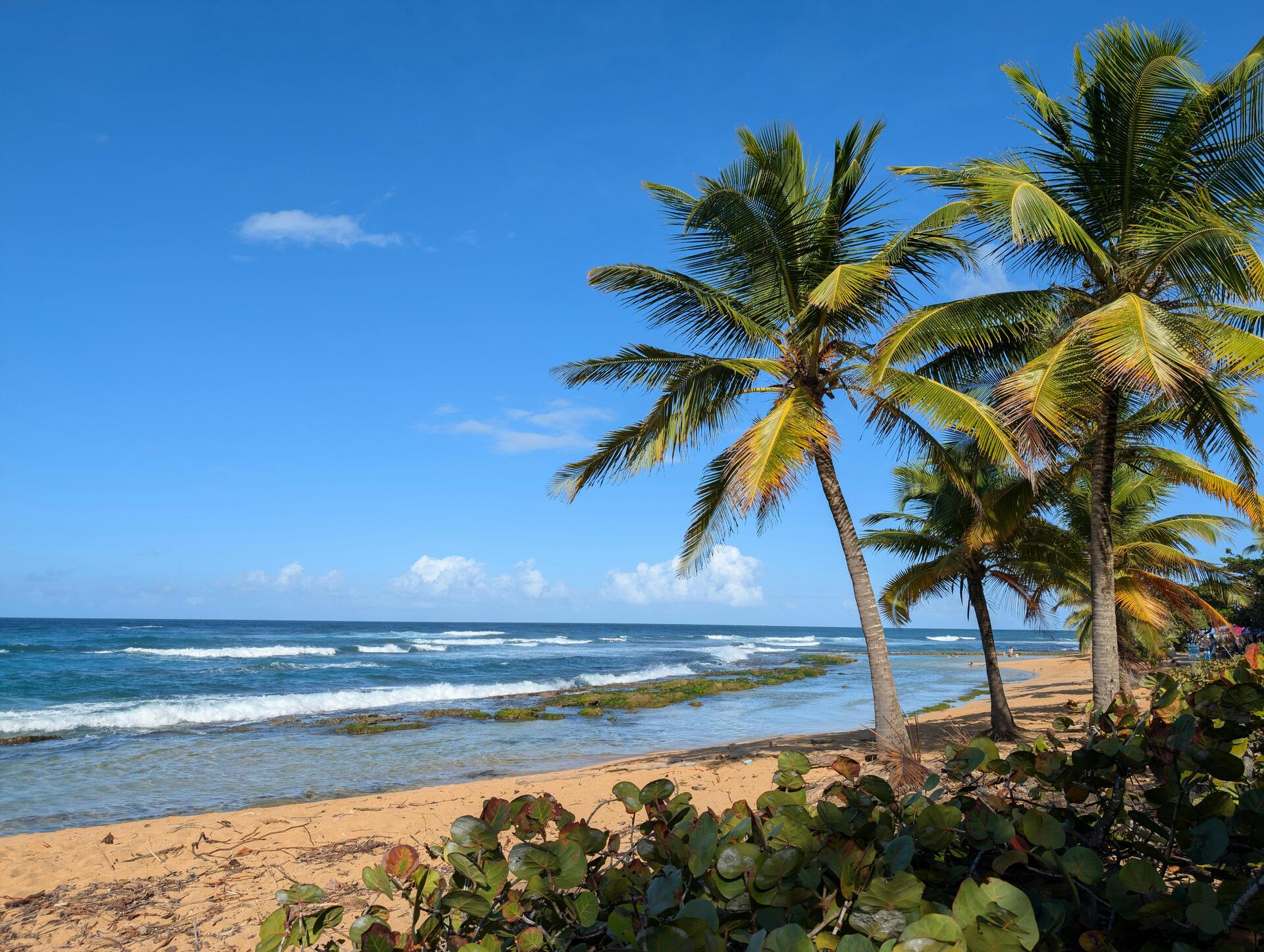
On the roads and beaches of Vieques, horses walk where they please. They graze in the scrub behind Sun Bay, cross the road in front of slow-moving cars, stand in the shade of sea grapes along the shore. Hundreds of them — descended from animals brought to the island centuries ago — have lived free here for generations, and they have become as much a symbol of Vieques as Mosquito Bay or Flamenco Beach is of Culebra.
Where They Came From
The horses of Vieques trace their origins to the Spanish colonial period, when settlers and sugar plantation operators brought domestic horses to the island for labor and transport. Over time, as sugar cultivation declined and the island's economy shifted, horses were released or escaped. With no large predators and abundant vegetation, feral herds established themselves and have been self-sustaining for generations. They are not a single breed — the island's population shows a mix of Spanish colonial horse genetics alongside later introductions.
The situation changed dramatically in the mid-20th century when the US Navy acquired roughly two-thirds of Vieques for military use. The civilian population was compressed into the island's center, and the horses — particularly those in the now-restricted eastern third — became largely inaccessible. When the Navy finally closed its operations in 2003, that land became the Vieques National Wildlife Refuge, and the horses that had been living there undisturbed for decades walked back into public view.
Life on the Island Today
The horses live in family groups led by a dominant stallion. They move across the island seasonally, following water sources and grazing areas, and can often be found near beaches in the early morning and late afternoon when temperatures are cooler. Sun Bay, Blue Beach, and the scrublands around the refuge road are reliable locations — though seeing them is never guaranteed and that's part of what makes an encounter feel special.
The island's small size and limited traffic mean the horses and humans have worked out a coexistence that would be impossible in many other places. Local drivers are accustomed to stopping. Visitors quickly learn to slow down on the coastal roads. The horses are generally unperturbed by people at a respectful distance, though they are wild animals — not tame, not approachable, and protective of young foals.
Conservation Questions
The herd's management is not straightforward. Without predators, populations can overshoot the island's carrying capacity during good years, leading to stress on vegetation and on the horses themselves in droughts. Local organizations have worked on fertility control programs to stabilize the population, and there is ongoing community discussion about how to balance the horses' cultural significance with the ecological realities of a finite island ecosystem.
Hurricane Maria in 2017 was hard on the horses as well as the island's people. Many were weakened by the storm and its aftermath. Recovery was gradual. The herd today is smaller than its pre-Maria peak, though population counts vary depending on the methodology used.
Frequently Asked Questions
Where did the wild horses of Vieques come from? They are descended from domestic horses brought during the Spanish colonial era, released over generations as agricultural use declined.
Is it safe to approach them? Observe from a distance. They are wild animals and can be unpredictable, especially mares with foals.
Related Reading
Explore Vieques Island
See Vieques Tours →